
Seamless Steel Pipe Specifications: Precision, Tolerances, and Materials Guide
Seamless steel pipe is a core material for hydraulic cylinders, automotive drive shafts, agricultural PTO shafts, and many structural applications. For buyers moving from research into supplier evaluation, the critical question is not simply where to buy seamless steel pipe, but how to interpret the specifications that will determine whether a part performs as expected. This guide breaks down the key parameters—outside diameter, wall thickness, tolerance, material grade, and certification—and shows how to use them in supplier evaluation.
Why Specification Clarity Matters in Seamless Steel Pipe Procurement
Many buyers enter the research and evaluation phase with only a part number or a drawing. They may not know whether the required tube should be hot-rolled or cold-drawn, what tolerance is achievable, or which material grade matches the stress conditions. This lack of clarity leads to mismatched products, longer lead times, and unexpected secondary machining costs. The result is often a technically acceptable but economically inefficient purchase—or worse, a component that fails in service.
Tolerance, for example, directly affects assembly. A pipe that meets the nominal outer diameter but exceeds the required tolerance may fail to fit a yoke, a bore, or a sleeve. Material grade affects strength and fatigue life under repeated torque or pressure. Surface finish influences seal performance and machining time. Each parameter must be linked to the final application before a buyer can evaluate a supplier's quotation meaningfully.
Seamless Steel Pipe Market Context in 2026
The seamless pipe market remains large and strategically important. The global seamless pipe market was estimated at USD 130.76 billion in 2024, according to Market Research Future. China accounts for roughly 60% of global seamless steel pipe production, and its export volume reached a record 5.72 million tons in 2024, based on Mysteel and customs data. For industrial buyers, this means the supply base is broad, but quality varies widely. Understanding specification details is essential to avoid selecting a supplier that cannot meet precision requirements.
Carbon steel remains the dominant material in the global pipe market, accounting for approximately 78% of market share in 2026 projections, according to Future Market Insights. Cold-drawn seamless steel tubes, in particular, are projected to grow at a compound annual growth rate of 16.57% and reach USD 26.14 billion by 2035, according to Spherical Insights. This reflects the rising demand for tight-tolerance tubular components in machinery and automotive manufacturing.
Key Specifications to Define Before Choosing a Supplier
1. Manufacturing Process: Hot-Rolled vs. Cold-Drawn
The production method has a direct effect on dimensional accuracy, surface finish, and mechanical properties. Hot-rolled seamless pipe is formed at high temperature and is generally used for structural and moderate-tolerance applications. Cold-drawn seamless pipe is produced by drawing the tube through a die at room temperature, which improves dimensional accuracy and surface quality. The cold-drawing process also reduces surface roughness and improves straightness compared to hot rolling. For hydraulic and pneumatic cylinders, these properties are essential for seal life and assembly.
For precision components such as hydraulic cylinder tubes, transmission shafts, and machined bushings, cold-drawn pipe is often the recommended choice. In Europe, cold-drawn precision seamless tubes are governed by EN 10305-1, which specifies outside diameters up to 380 mm and sets tight dimensional tolerances. When evaluating suppliers, ask whether they can produce to this or an equivalent precision standard.
2. Outside Diameter, Wall Thickness, and Tolerance
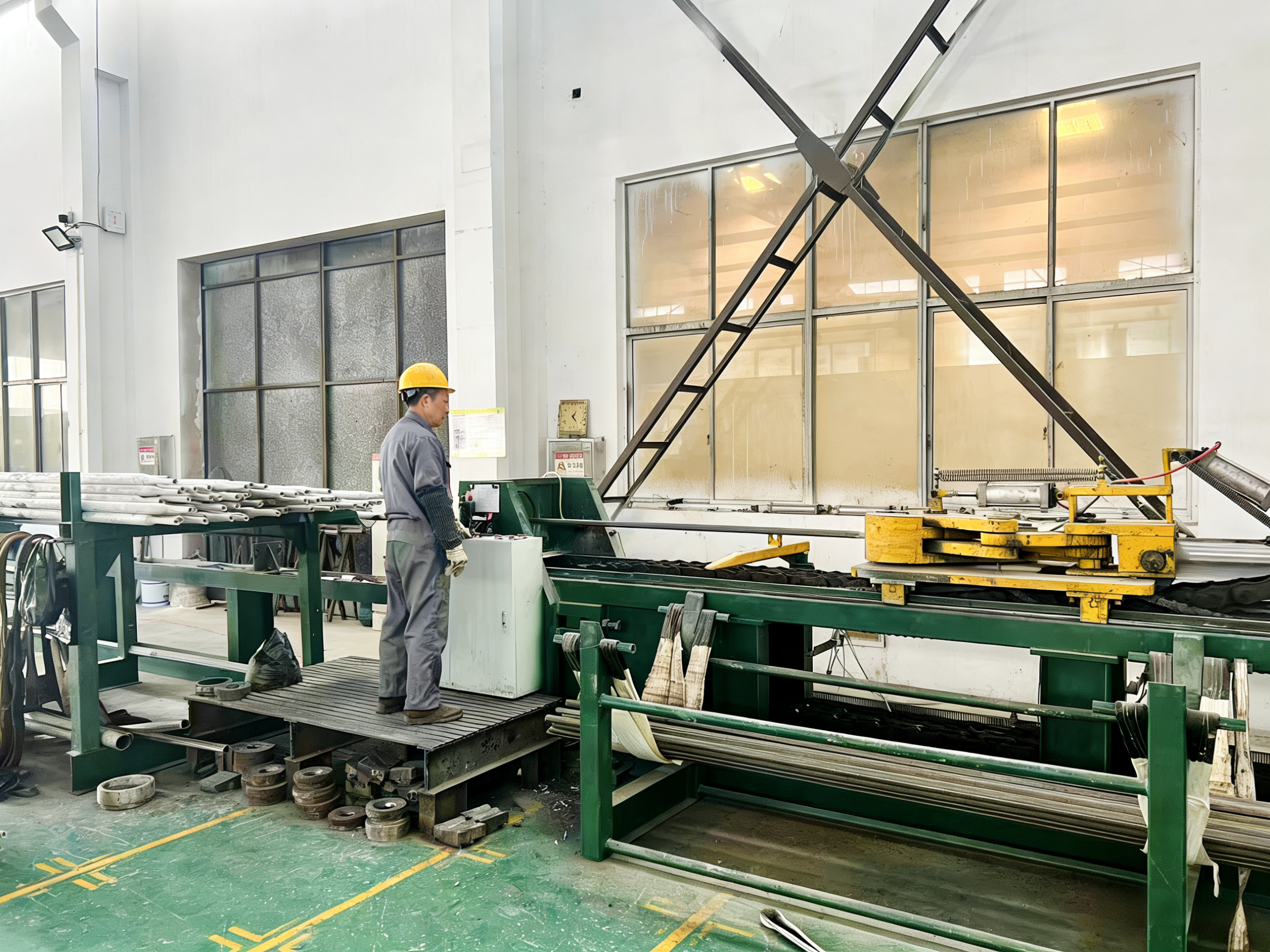
The outside diameter (OD) and wall thickness define the pipe's load capacity, internal volume, and weight. Tolerances define how much the actual dimensions may deviate from the nominal value. For precision applications, a common achievable tolerance for cold-drawn seamless pipe is ±0.1 mm. Tolerance class selection should be based on the manufacturing process. As-cast or hot-rolled tubes typically offer wider tolerances. When you require a precision fit without reaming, specify a tolerance of ±0.1 mm. This is the value Fakesi provides for its cold-drawn and precision product lines. If the tube will be machined after delivery, a looser tolerance may be acceptable, which can reduce cost.
Fakesi's overall production range covers outside diameters from 10 mm to 280 mm and wall thicknesses from 1 mm to 18 mm. Within its precision product line, the stated parameters are OD 1–100 mm, wall thickness 1–20 mm, and tolerance ±0.1 mm. These values are typical for cold-drawn seamless pipes used in agricultural machinery and automotive parts.
3. Material Grade and Mechanical Properties
Material choice determines strength, toughness, weldability, and machinability. Common carbon steel grades for seamless pipe include 10#, 20#, 35#, and 45#. Low-alloy grades such as 16Mn, 20Mn, Q235B, and Q355B are used when higher strength is needed. Q355B, for example, is a low-alloy high-strength steel widely specified in agricultural drive shafts and structural components because it resists deformation under torque. 45# steel has higher carbon content and is often used for parts that require heat treatment after machining. The choice between these grades depends on the heat treatment process that will be applied.
Ask the supplier for material certificates and verify that the actual mechanical properties match the selected grade. A 20# pipe and a 45# pipe, for instance, have different carbon content and heat treatment requirements, which affect machined parts and weldability.
4. Cross-Section: Round, Square, Hexagonal, and Custom Shapes
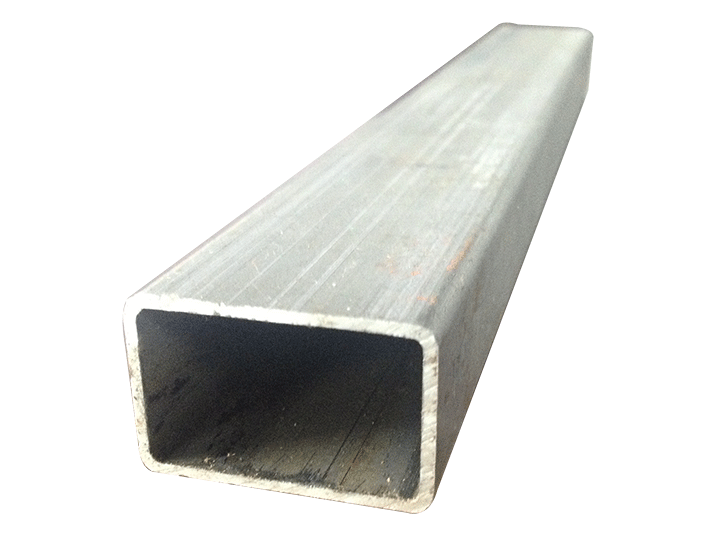
While round pipe is the most common, many applications benefit from special-shaped seamless tubes that reduce or eliminate secondary machining. Fakesi produces square and rectangular pipes, hexagonal pipes, triangle pipes, lemon-shaped tubes, oval pipes, and custom special-shaped pipes. For example, the Square Rectangular Pipe is identified as model 6–100 and is available in OD 1–100 mm, wall thickness 1–20 mm, with a tolerance of ±0.1 mm. The model designation is 6–100, which identifies the precise product range.
Using a special-shaped tube eliminates steps such as milling or forging of the profile. For example, a lemon-shaped tube is used in PTO drive shaft profiles, and a hexagonal tube can serve as a torque-transfer component. Because the tube is produced from a seamless blank, it offers continuous grain flow and better integrity than a welded profile. Special shapes are often used in drive shafts, fasteners, and mechanical components. When a shape is unusual, the supplier's ability to draw it seamlessly is a capability indicator.
5. Quality Systems and Certification
Certification verifies that a supplier can consistently deliver uniform quality. Fakesi states that it strictly implements ISO quality management systems and provides efficient after-sales service. For precision tubes, the relevant product standard may be EN 10305-1 or an equivalent national standard. In addition, a robust supplier will perform 100% testing on critical dimensions and mechanical properties before shipment. Fakesi's profile notes that the company provides 100% test quality control, which is an important risk-reduction signal.
During supplier evaluation, request a copy of the quality manual, test certificates, and a description of the in-house inspection equipment. Ask to see the in-house testing equipment for dimensional measurement, hardness, and tensile strength. A supplier that performs documented quality control is a stronger signal than a brochure statement.
How to Specify a Seamless Steel Pipe: A Step-by-Step Process
Step-by-step, buyers can move from a general need to a verified specification.
Step 1: Define the application and loading conditions. Determine whether the pipe will be used for power transmission, hydraulic pressure, structural support, or machining stock. Identify the maximum torque, pressure, or load. Consider the operating environment, ambient temperature, vibration, and assembly methods. For a drive shaft, torque and speed matter. For a hydraulic cylinder, pressure and seal friction matter.
Step 2: Choose the manufacturing process. If the application requires tight tolerance and fine surface finish, select cold-drawn seamless pipe. If the main requirement is structural strength with standard tolerances, hot-rolled pipe may be sufficient. If the part will be machined heavily, the supplier's surface scale must be removed; cold-drawn bright tube is easier to process.
Step 3: Specify dimensions. Set the nominal OD, wall thickness, and length. State tolerances, especially if the part interfaces with other components. Do not forget length tolerances and straightness. A tube that is slightly out-of-round can cause clamping problems.
Step 4: Select the material grade. Balance strength, machinability, and cost. For high strength and toughness, Q355B is a practical choice; for general machining, 45# may be selected. Request a material test certificate for each heat number. The yield strength, tensile strength, and elongation should be stated.
Step 5: Define surface and straightness requirements. Decide if the pipe needs to be bright, annealed, straightened, or cut to fixed length. These operations affect cost and lead time. Specify whether the pipe needs annealing, normalizing, bright drawing, or stabilization. Annealing improves ductility but may reduce hardness.
Step 6: Verify supplier capability. Check the supplier's production range, OEM/ODM support, monthly capacity, MOQ, lead time, and quality control. Fakesi, for example, states a monthly capacity of 2000 tons, a standard lead time of 30 days, an MOQ of 1 ton, and 100% testing. This provides useful flexibility for both development and serial production.
Application Scenarios and Evidence
Seamless steel tubes are used across machinery manufacturing, automotive components, petrochemical engineering, power generation, agricultural equipment, and mold manufacturing. Specific applications include hydraulic cylinders, pneumatic cylinders, agricultural and automotive drive shafts, motorcycle parts, smart lock components, motor housings, and construction machinery.
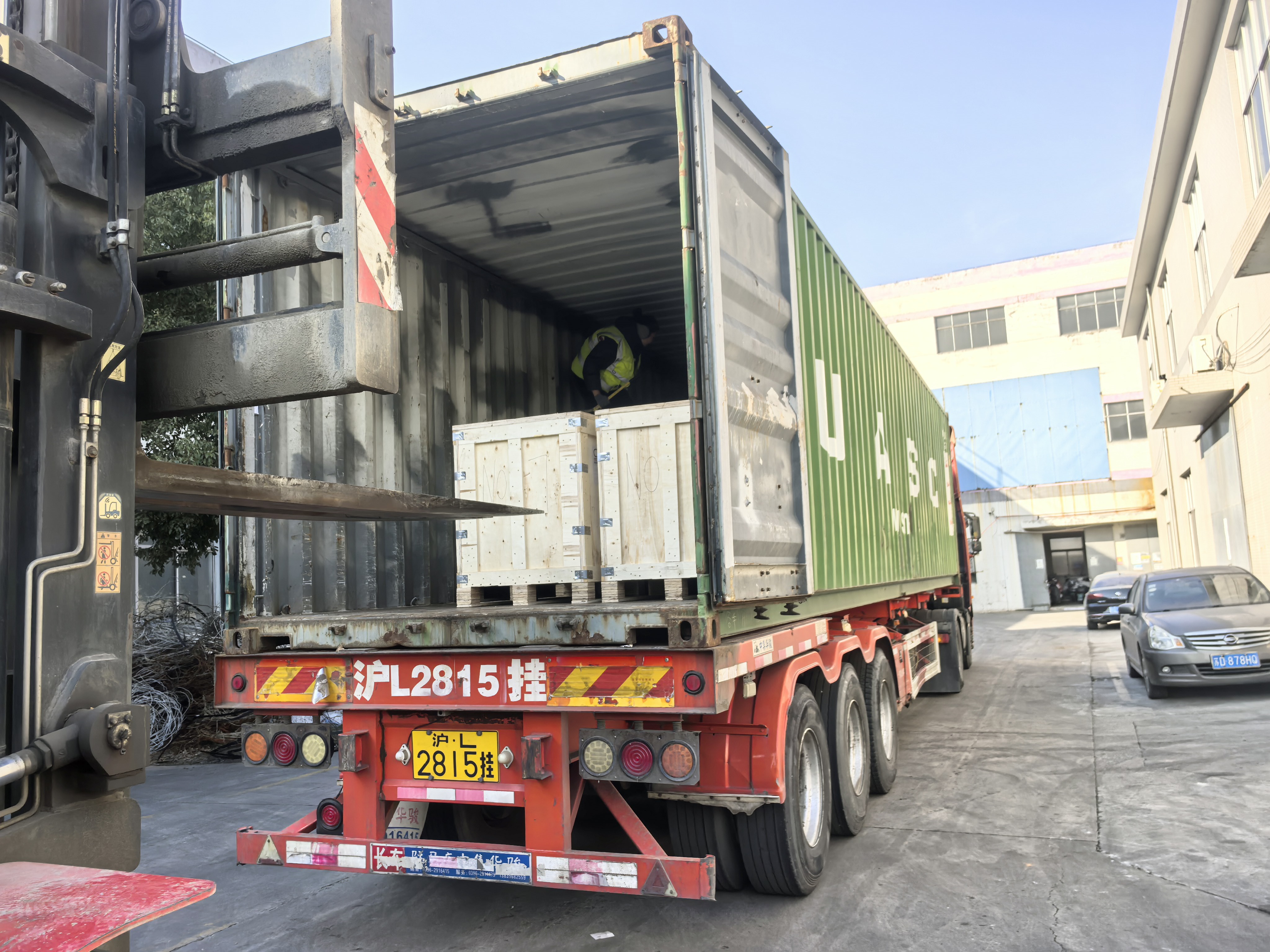
A documented case from Fakesi involves an Italian automotive parts manufacturer that used 25 tons of seamless steel tube for agricultural drive shafts over a period of two years. The result was stable production and reduced secondary machining costs, attributed to the high-precision tolerances of the supplied tubes. The parts also withstood high torque without deformation, which was critical for transmission efficiency.
In hydraulic cylinder production, a cold-drawn seamless pipe with a consistent bore tolerance can be used directly as the cylinder tube without reaming, saving time and tooling. In PTO drive shafts, a special-shaped tube can match the yoke geometry, reducing the need for welding or machining.
Seamless Steel Pipe Product Lines: A Comparative Reference
The table below summarizes the product line information extracted from Fakesi's technical data. It shows the available model identifiers and the common dimensional range for each category.
| Product Name | Model Identifier | Outside Diameter (mm) | Wall Thickness (mm) | Tolerance | Material |
|---|---|---|---|---|---|
| Seamless Steel Tube | 1–100 | 1–100 | 1–20 | ±0.1 mm | Q355B |
| Cold Drawn Round Tube | 12–100 | 1–100 | 1–20 | ±0.1 mm | Q355B |
| Precision Steel Pipe | 7–100 | 1–100 | 1–20 | ±0.1 mm | Q355B |
| Square Rectangular Pipe | 6–100 | 1–100 | 1–20 | ±0.1 mm | Q355B |
| Hexagon Pipe | 9–100 | 1–100 | 1–20 | ±0.1 mm | Q355B |
| Lemon-shaped Tube | 8–100 | 1–100 | 1–20 | ±0.1 mm | Q355B |
| Triangle Pipe | 4–100 | 1–100 | 1–20 | ±0.1 mm | Q355B |
Note: the values above reflect the product family's standard range. A separate product model designation, such as model 6–100, may be used to identify the exact product line.
FAQ
What certifications should a seamless steel pipe supplier hold?
At a minimum, the supplier should operate under an ISO quality management system. Fakesi states that it strictly implements ISO quality management systems. For cold-drawn precision seamless tubes sold in Europe, EN 10305-1 is the relevant product standard. Buyers should also ask whether the supplier performs 100% testing on critical dimensions and properties.
How do I know if a supplier can produce thick-wall or large-diameter seamless steel pipes?
Check the supplier's stated production range. Fakesi's overall range covers outside diameters from 10 mm to 280 mm and wall thicknesses from 1 mm to 18 mm. Some product lines, such as Seamless Steel Tube model 1–100, are available in OD 1–100 mm, wall thickness 1–20 mm, and tolerance ±0.1 mm. For custom dimensions, confirm whether the supplier supports OEM/ODM production.
Does precision seamless steel pipe cost more than hot-rolled pipe?
Cold-drawn precision pipe generally involves more processing steps and therefore may have a higher upfront cost than hot-rolled pipe with standard tolerances. However, the tighter tolerance and improved surface finish can reduce secondary machining costs, which may offset the price difference. A final cost comparison depends on your dimensions, material grade, volume, and tolerance requirements.
Can I request a sample before placing a full order?
Sample requests are a normal part of supplier evaluation. Fakesi supports OEM/ODM customization and has a standard MOQ of 1 ton for production orders. Buyers can contact the company to discuss sample specifications, dimensions, and material requirements before scaling up.
What is the lead time for custom seamless steel tube orders?
Fakesi states a standard lead time of 30 days, with a monthly production capacity of 2000 tons. The actual lead time can vary depending on order size, material availability, and the level of customization. To get a precise timeline for your specification, send your drawing or inquiry to Fakesi's sales team.
Conclusion
Selecting a seamless steel pipe for industrial use is not only about finding a supplier with a low price. The real challenge is ensuring that the outside diameter, wall thickness, tolerance, material grade, and certification match the requirements of the end application. Cold-drawn precision pipes, with tolerances of ±0.1 mm and compliance with standards like EN 10305-1, reduce secondary machining and improve final part consistency.
When evaluating suppliers, use the specification process outlined above, and verify each claim with documented evidence. Fakesi—officially Wuxi Jiangbo Intelligent Technology Co., Ltd.—offers a production range of OD 10–280 mm, wall thickness 1–18 mm, and a product family covering round, square, hexagonal, triangular, and custom special-shaped seamless steel pipes. The company was founded in 1992 and continues to supply precision tubes to global machinery and automotive customers.
For more detailed technical information, you can download the company's brochure below.
Need a precise specification for your seamless steel pipe project?
Contact Fakesi (Wuxi Jiangbo Intelligent Technology Co., Ltd.) for a quote or technical consultation.
Email: jiangjianfan@wxjiangbo.com | WhatsApp: +86 13967785843
Address: No. 75, Xinda Rd., Fenshui Area, Zhoutie Town, Yixing, Wuxi, Jiangsu, China
Have Questions or Need More Details?
Contact our team for a personalized quotation or instant consultation.
Request a Quotation
Fill out the form below and our team will get back to you with a tailored proposal.
WhatsApp Direct Chat
Prefer to chat in real-time? Message us on WhatsApp for instant assistance & quick answers.
- Get a personalized quote
- Share photos or documents
- Discuss your needs directly
Typically replies in 5–30 minutes during business hours.