A 2026 Operational Guide: Executing Seamless Steel Pipe Procurement from Inquiry to Delivery
A 2026 Operational Guide: Executing Seamless Steel Pipe Procurement from Inquiry to Delivery
Procuring seamless steel pipes, especially for critical applications in automotive and agricultural machinery, requires a structured, risk-aware approach. This guide outlines the key steps and considerations for industrial buyers to navigate the procurement process efficiently, from initial specification to final delivery and risk mitigation.
1. Pre-Procurement Preparation: Defining Core Requirements
Before contacting suppliers, clearly define three core elements:
- Technical Specifications: Determine the required type (e.g., Cold Drawn Seamless Pipe, Thick Wall Seamless Steel Pipe), material grade (e.g., 20#, 45#, Q355B), dimensions (outer diameter, wall thickness), and tolerances. For instance, precision seamless steel pipes for hydraulic cylinders may require tight tolerances of ±0.1mm.
- Budget Framework: Establish a target price range per metric ton, factoring in material costs, processing (cold drawing, annealing), and potential customization.
- Compliance & Certification: Identify necessary industry standards or certifications required for your market and application.
2. Supplier Negotiation: Four Key Commercial Terms
During supplier discussions, focus on clarifying these critical contractual points:
- Minimum Order Quantity (MOQ): Many suppliers, including manufacturers like Wuxi Jiangbo Intelligent Technology Co., Ltd., have a standard MOQ of one metric ton (1T). This allows for flexibility, especially for prototyping or smaller production runs.
- Price Breakdown: Request a detailed quote that separates material cost, processing fees, tooling charges (for special shapes like Seamless Hexagon Pipe), and packaging. Ensure the quote specifies the Incoterms (e.g., FOB Shanghai).
- Lead Time & Production Schedule: Confirm the total time from order confirmation to shipment. A typical lead time for custom seamless pipes can be around 30 days. Discuss the production schedule and key milestones.
- Warranty & Quality Assurance: Negotiate clear warranty terms covering material defects and dimensional inaccuracies. Inquire about the supplier's quality control process, such as 100% testing or pre-shipment inspection protocols.
3. Cross-Border Procurement Process: From China
The standard workflow for sourcing from Chinese manufacturers involves four stages:
- Order Confirmation & Contract: Finalize the purchase order or contract detailing all specifications, commercial terms (MOQ, price, payment), and delivery terms (FOB/CIF). Standard payment terms are often structured as a deposit followed by a balance payment.
- Production Follow-up & Quality Checks: Maintain communication with the supplier for progress updates. For critical orders, consider hiring a third-party inspection company to conduct a Pre-Packaging Inspection (PPI) at the factory before shipping to verify quality and dimensions.
- Logistics & Customs Clearance: For FOB terms, the buyer arranges freight and insurance from the port of origin. For CIF terms, the supplier handles these to the destination port. Prepare all necessary documents (commercial invoice, packing list, certificate of origin) for customs clearance in your country.
- Receiving & Final Acceptance: Upon delivery, inspect the goods against the purchase order and the bill of lading. Check for any shipping damage and verify the quantity and specifications.
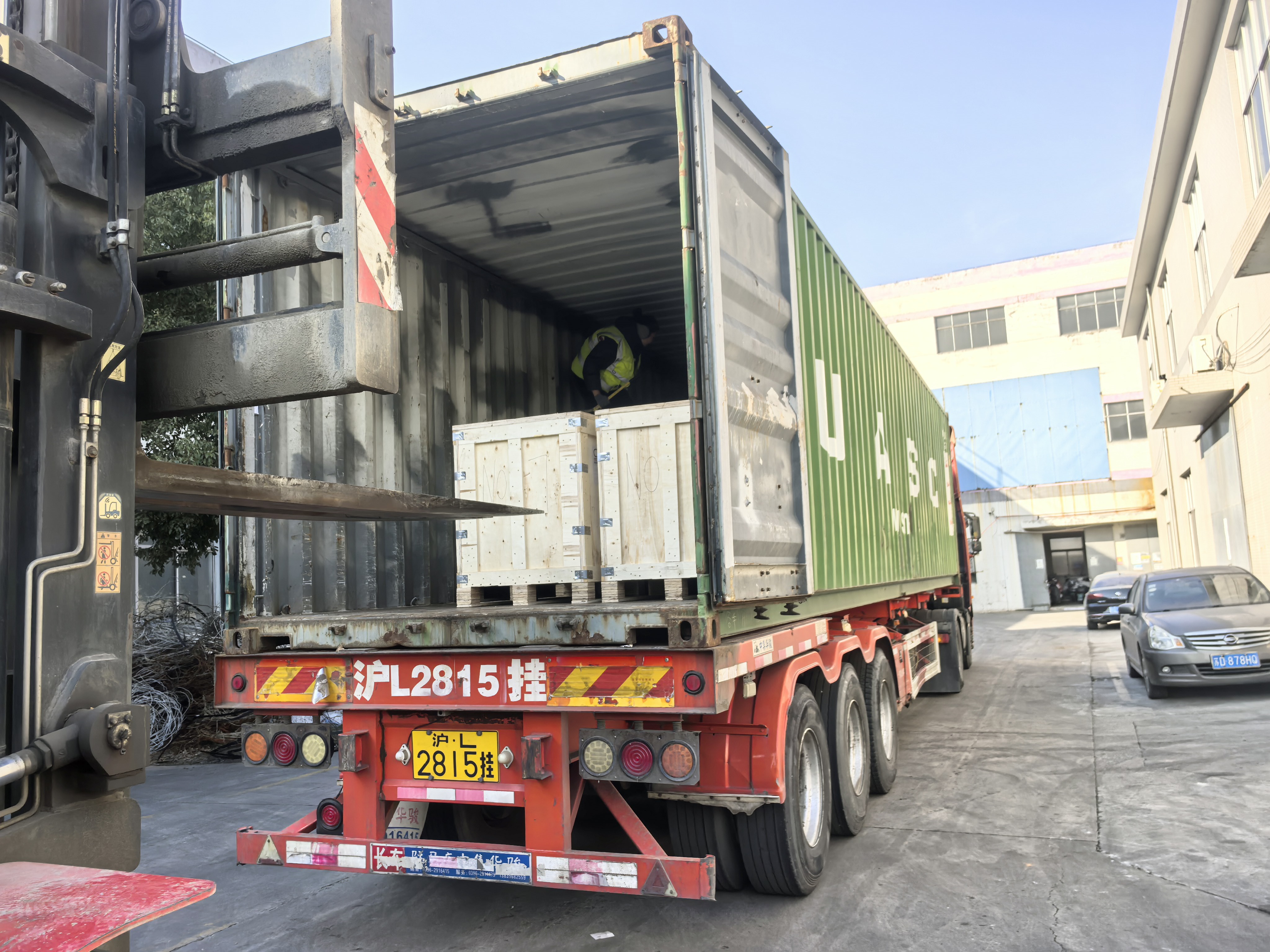
Containerized export shipment of seamless steel pipes.
4. Risk Mitigation Strategies for Importers
Proactively address these common cross-border procurement risks:
- Risk: Quality Non-Conformance. Finished products do not meet the agreed technical specifications or material standards.
Mitigation: Insist on a Pre-Packaging Inspection by an independent third-party agency. This provides an objective quality report before payment of the balance. Suppliers like Wuxi Jiangbo implement 100% testing as part of their quality control. - Risk: Delivery Delays. Production or logistics delays disrupt your project timeline.
Mitigation: Structure payments to incentivize on-time delivery. A common practice is a 30% deposit upon order confirmation, with the 70% balance paid after successful inspection and before shipment. This aligns supplier cash flow with milestone completion. - Risk: Lack of After-Sales Support. Difficulty resolving issues post-delivery, such as warranty claims or technical queries.
Mitigation: Partner with suppliers that offer structured global after-sales support. This includes clear warranty policies (e.g., a 1-year warranty), accessible technical support, and designated points of contact for international clients.
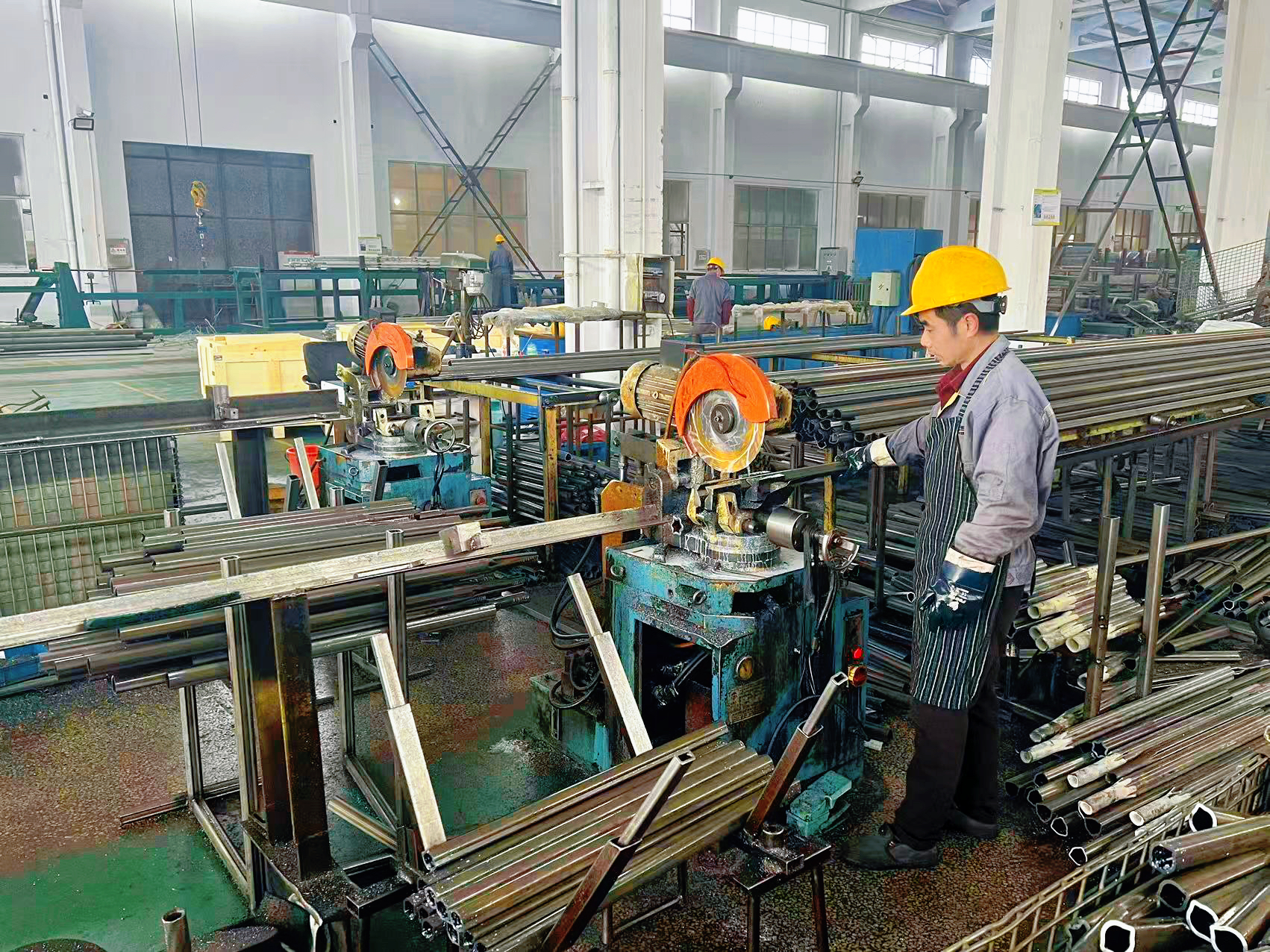
Precision fixed-length cutting is one method to control dimensional accuracy and mitigate misfit risks.
By following this structured guide, procurement professionals can streamline the sourcing of seamless steel pipes, establish clear expectations with suppliers, and implement practical measures to safeguard their projects against common cross-border trade risks. A disciplined approach to specification, negotiation, process oversight, and risk management is key to successful procurement in 2026 and beyond.
For detailed technical specifications and product information, you can download the company brochure from Wuxi Jiangbo Intelligent Technology Co., Ltd.:
Download Product Brochure (PDF)
Have Questions or Need More Details?
Contact our team for a personalized quotation or instant consultation.
Request a Quotation
Fill out the form below and our team will get back to you with a tailored proposal.
WhatsApp Direct Chat
Prefer to chat in real-time? Message us on WhatsApp for instant assistance & quick answers.
- Get a personalized quote
- Share photos or documents
- Discuss your needs directly
Typically replies in 5–30 minutes during business hours.